Clear guidance. Quality work.
Straight answers from a local roofing and remodeling team.
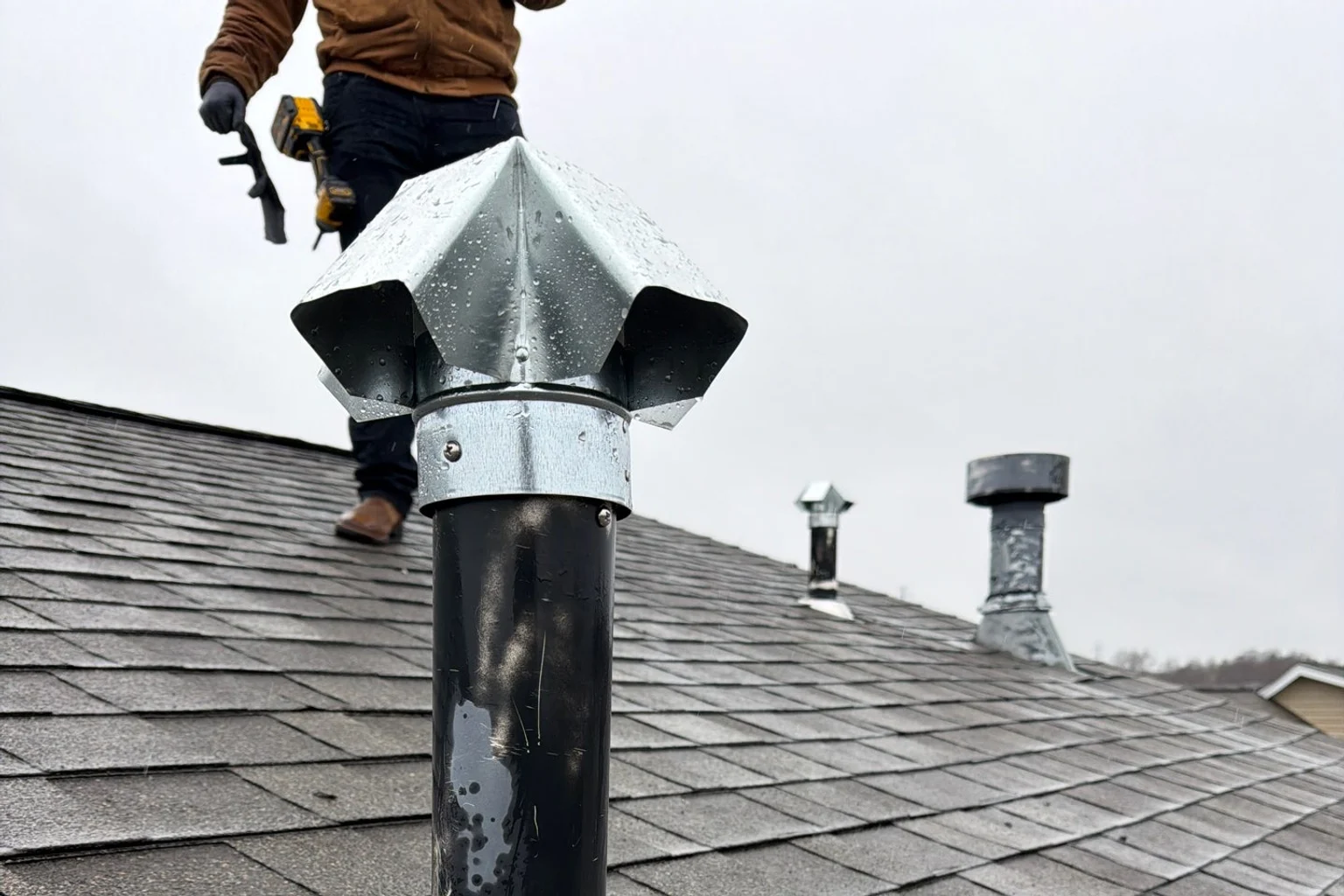
Ventilation helps the roof system manage heat and moisture. Static vents can be part of a balanced approach that supports shingle performance, attic health, and interior comfort when installed in the right locations.
Best fit for
- Attics with poor heat or moisture control
- Roof replacements needing ventilation upgrades
- Homes with inadequate existing exhaust ventilation
- Localized ventilation corrections after inspection
What to expect
Evaluate airflow needs
We review visible ventilation conditions, roof layout, attic concerns, and existing intake and exhaust.
Plan vent placement
Static vents are placed where they can support airflow without creating avoidable leak risks.
Install and seal
Vents are integrated with shingles and flashing details so they shed water correctly.
Service details
Balanced ventilation
Exhaust vents need adequate intake to work well. We consider the system instead of simply adding holes to the roof.
Roof-integrated installation
Static vents must be installed with proper flashing, fasteners, and shingle integration to avoid future leak points.
Comfort and durability
Improved airflow can help reduce attic heat and moisture stress, supporting the broader roof system.
Common questions
Can you add vents to an existing roof?
Yes, when the roof condition and layout make it practical. We inspect first to determine the right approach.
Are static vents always the best ventilation option?
Not always. The right solution depends on roof design, intake ventilation, attic layout, and existing exhaust.