Clear guidance. Quality work.
Straight answers from a local roofing and remodeling team.
A tarp is not the final fix, but a properly installed tarp can make the difference between a controlled problem and ongoing interior damage. We secure vulnerable roof areas, document visible conditions, and help plan the permanent repair.
Best fit for
- Storm-created openings
- Leaks that need temporary weather control
- Missing shingles or exposed underlayment
- Claim documentation and repair planning
What to expect
Assess the opening
We locate the vulnerable area and consider roof pitch, access, wind direction, and water flow.
Install temporary protection
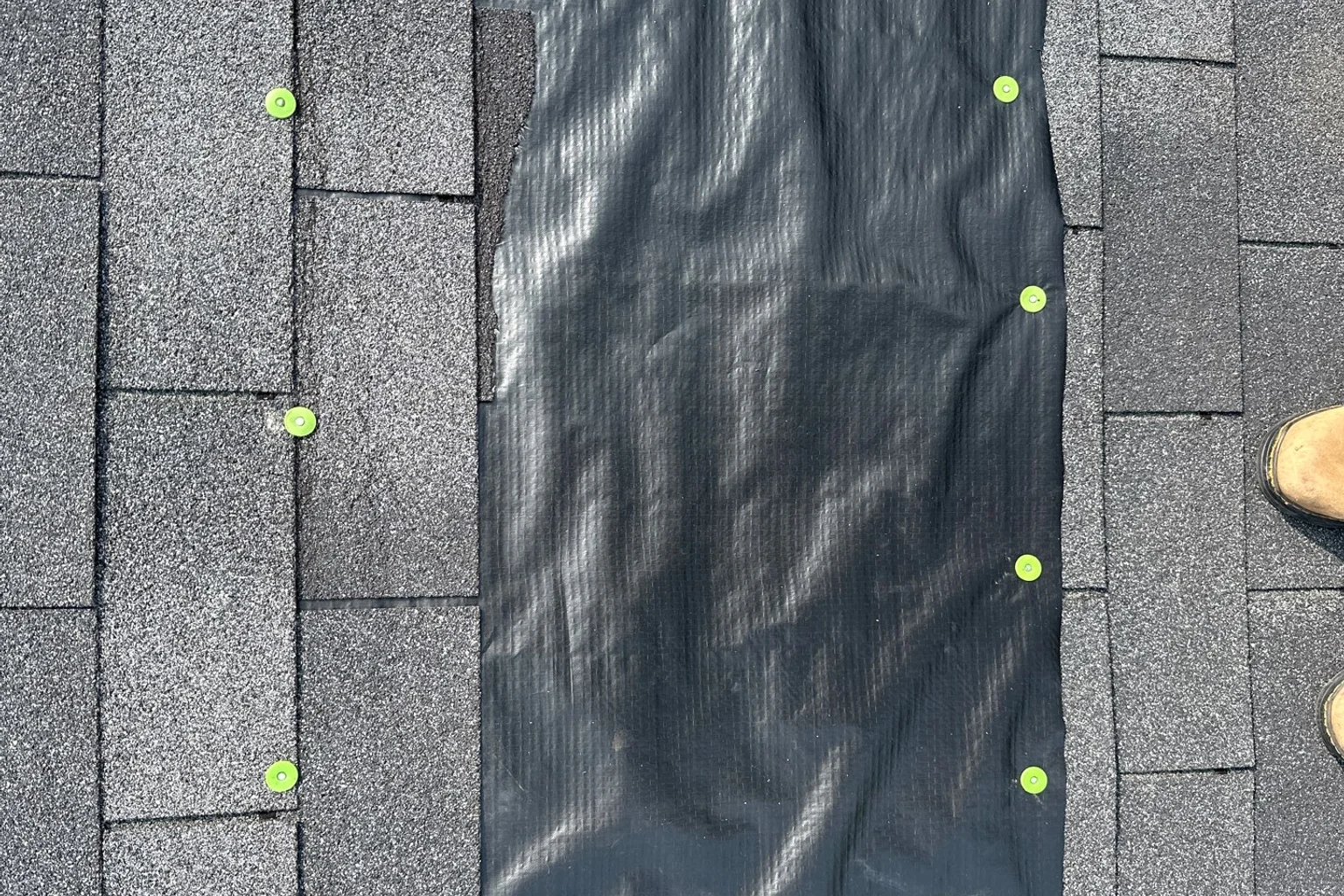
The tarp is secured to shed water away from the exposed section as effectively as conditions allow.
Outline the next repair
We explain what temporary protection can and cannot do, then plan the lasting repair.
Service details
More than laying plastic
A tarp needs to be positioned and secured correctly. Poor placement can trap water or fail in wind, so details matter.
Interior damage prevention
The goal is to reduce continued water entry while you coordinate repair, replacement, or insurance next steps.
Documentation mindset
When possible, we note visible roof conditions before temporary coverage goes on so you have clearer records.
Common questions
How long can a tarp stay on?
It depends on weather and installation conditions, but tarps are temporary. Permanent repair should be scheduled as soon as practical.
Can you tarp before a full estimate?
Yes. Emergency protection can happen first, then the full repair scope can be reviewed once the home is stabilized.